
How to Pay With a Crypto App: A Practical Step-by-Step Guide
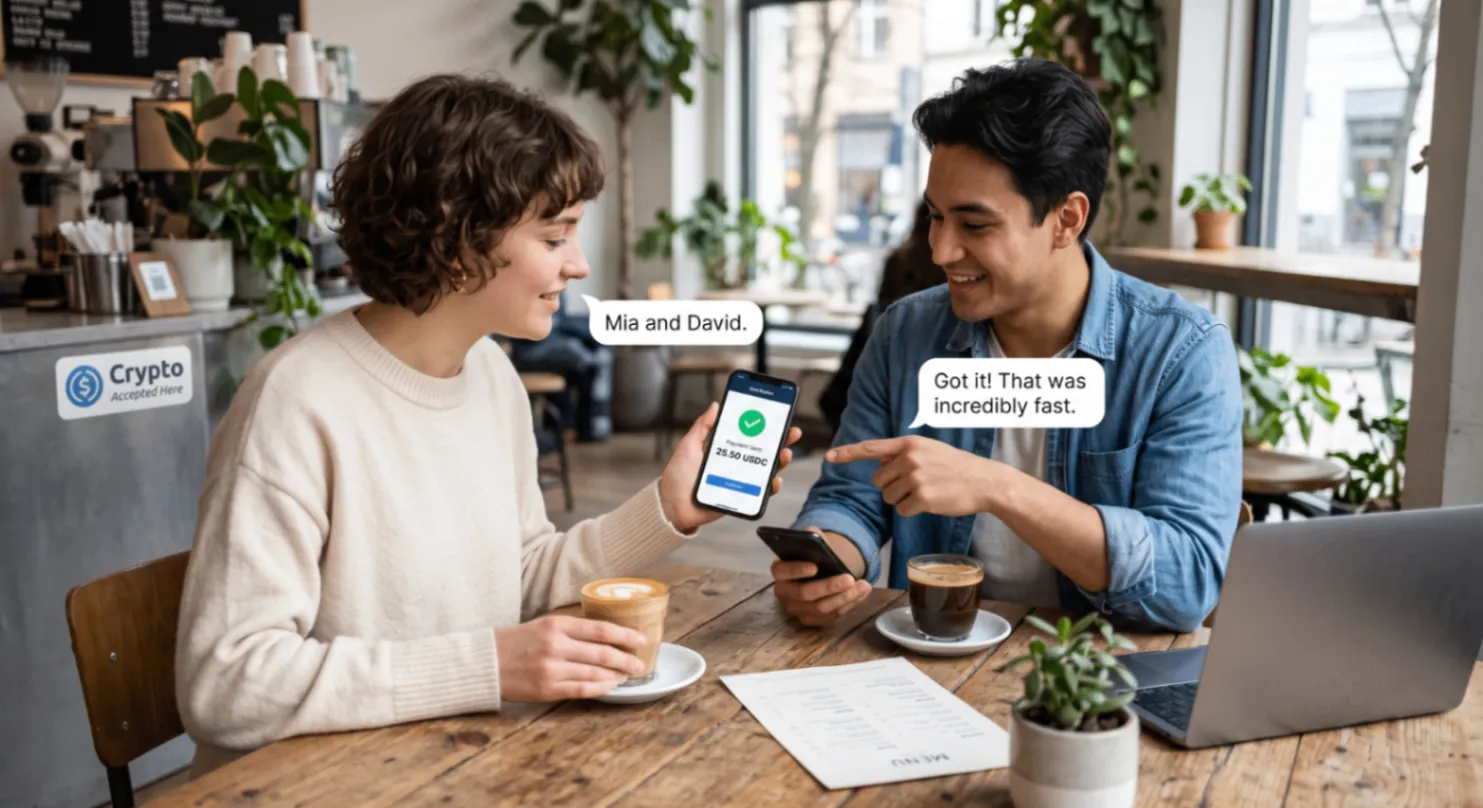
Paying with crypto has moved well beyond a novelty. Freelancers get paid this way, online merchants accept it directly, and a growing number of everyday transactions, from subscriptions to services to peer-to-peer payments, now happen through a pay with crypto app rather than a traditional card or bank transfer. This guide walks through exactly how to pay with crypto safely and confidently, whether you’re doing it for the first time or refining a process you already use occasionally.
What Does “Paying With Crypto” Actually Involve?
At its core, paying with crypto means sending a cryptocurrency, often a stablecoin for price predictability, directly from your wallet to a recipient’s wallet address, or through a payment processor that converts crypto to the merchant’s preferred currency automatically. Unlike a card payment that routes through several financial intermediaries, a crypto payment settles directly on the blockchain, typically within minutes.
This method of payment offers several distinct advantages: lower fees for cross-border transactions, faster settlement compared to traditional banking rails, and the ability to transact without requiring a traditional bank account, which matters significantly for the large global population that remains unbanked or underbanked.
Step-by-Step: Making Your First Crypto Payment
Step 1: Set Up a Non-Custodial Wallet
Before you can pay with crypto, you need a wallet you control. Choose a non-custodial wallet like DokWallet, set it up, and securely back up your recovery phrase before funding it with any assets.
Step 2: Fund Your Wallet
Transfer crypto into your wallet, either by purchasing directly within the app if supported, or by sending assets from an exchange account you already use.
Step 3: Confirm the Recipient’s Details
Obtain the recipient’s wallet address and confirm which network they expect the payment on. Sending on the wrong network is one of the most common and costly mistakes in crypto payments, so always double-check before proceeding.
Step 4: Choose the Right Asset
For most payments, particularly recurring ones like invoices or subscriptions, a stablecoin is the practical choice since it avoids the price volatility associated with other cryptocurrencies. Our guide on cross-border crypto payments and stablecoins covers why this matters in more depth.
Step 5: Review Fees and Confirm the Transaction
Check the estimated network fee before confirming. Fees vary significantly by network and current congestion levels, so this is worth a quick glance every time, particularly for smaller payments where fees represent a larger proportion of the total amount.
Step 6: Send and Verify
Once sent, most blockchain transactions can be tracked on a public block explorer, letting both sender and recipient verify the transaction status independently, without relying on a third party’s confirmation.
Everyday Use Cases for Paying With Crypto
- Freelance and remote work payments. Clients pay freelancers directly via stablecoin transfer, avoiding delays and fees associated with international wire transfers or third-party payment platforms.
- Online purchases from crypto-accepting merchants. A growing number of online retailers accept direct crypto payments, often at a discount compared to card payments due to lower merchant processing fees.
- Peer-to-peer payments. Splitting bills, repaying a friend, or sending a gift can all happen instantly via crypto payment, without needing to exchange banking details.
- Subscription and service payments. Some platforms now accept recurring crypto payments for subscriptions, particularly for services with a global, distributed customer base.
Crypto Payments vs. Traditional Card Payments
It’s worth understanding how crypto payments actually compare to the card-based payments most people are used to. Card payments route through several intermediaries: the card network, the issuing bank, and the merchant’s payment processor, each taking a cut and adding a small amount of processing time. Merchants typically pay processing fees on card transactions, costs that are often quietly built into retail pricing across the board.
Crypto payments remove most of these intermediaries. The sender pays a network transaction fee, generally far lower than typical card processing fees, and the recipient receives funds directly, often within minutes rather than the multi-day settlement periods common with certain card transaction types. For merchants operating internationally, this can meaningfully reduce both cost and settlement risk, which is part of why crypto payment acceptance continues to expand among online-first and globally distributed businesses.
Safety Considerations When Paying With Crypto
- Transactions are typically irreversible. Unlike a card payment, there’s usually no chargeback mechanism once a blockchain transaction confirms. Double-check recipient addresses carefully before sending.
- Verify merchant legitimacy. Just as with any online purchase, confirm you’re paying a legitimate merchant or recipient before sending funds, particularly for unfamiliar platforms.
- Watch for address-poisoning scams. Some scammers send tiny transactions from addresses that closely resemble a legitimate recipient’s address, hoping you’ll copy the wrong one from your transaction history. Always verify the full address, not just the first and last few characters.
- Keep transaction records. While blockchain transactions are publicly verifiable, keeping your own records simplifies any accounting, tax reporting, or dispute resolution that might come up later.
Understanding Transaction Fees Across Different Networks
One detail that trips up newcomers to crypto payments is the wide variance in transaction fees between different blockchain networks. A payment sent over a network experiencing heavy congestion can cost significantly more than the same payment sent moments later, or over a different, less congested network entirely. This is why many experienced crypto users check current network conditions before sending time-sensitive but non-urgent payments, and why wallets with multi-network support offer a real practical advantage: you can often choose to route a stablecoin payment over whichever supported network currently offers the best combination of speed and cost, rather than being locked into a single network’s fee structure regardless of conditions.
Building a Reliable Crypto Payment Habit
For anyone using crypto payments regularly, whether receiving freelance income or making recurring purchases, establishing a consistent, careful process pays off over time. This means always double-checking addresses through a copy-paste method rather than manual retyping, keeping a simple log of significant transactions for personal record-keeping, and periodically reviewing your wallet’s transaction history against expected payments to catch any discrepancies early. These habits, while simple, are what separate confident, long-term crypto payment users from those who experience a costly mistake early on and become hesitant to use crypto payments going forward.
How DokWallet Simplifies Crypto Payments
DokWallet integrates payment functionality directly alongside its multi-chain and cross-chain capabilities, letting users choose the most appropriate network and asset for a given payment without needing separate tools. For iOS users specifically, our guide to DokWallet as a crypto wallet iOS app covers platform-specific payment features in more detail.
Frequently Asked Questions
Can I pay with crypto if I don’t own any yet?
Yes, most crypto payment apps, including DokWallet, allow you to purchase crypto directly within the app before making a payment, streamlining the process for first-time users.
What happens if I send a crypto payment to the wrong address?
Blockchain transactions are generally irreversible. If sent to an incorrect address, recovery is usually not possible, which is why careful address verification before sending is essential.
Are crypto payments accepted everywhere?
Not yet universally, but acceptance continues to grow across freelance platforms, online merchants, and peer-to-peer use cases, particularly for stablecoin-based payments.
Should I always use a stablecoin for payments, or is another cryptocurrency ever a better choice?
For most payment purposes, a stablecoin’s price predictability makes it the more practical choice, particularly for invoices, recurring payments, and cross-border transfers where the exact value received matters to both parties.
Final Thoughts
Paying with a crypto app has become a genuinely practical option for freelancers, online shoppers, and anyone looking to avoid the fees and delays of traditional payment rails, particularly for cross-border transactions. Following careful verification steps and choosing stable, well-understood assets makes the process both fast and reliable.
To understand the broader payment landscape crypto is reshaping, read our guide on cross-border crypto payments and stablecoins. And to see how payment functionality fits into a complete crypto wallet solution, our full DokWallet review covers the app’s entire feature set.